

Ground breaking soil moisture measurement technology for improved water, soil and crop management is being installed on a sugarcane irrigation operation in northern KwaZulu-Natal.
General Packet Radio Service (GPRS) probes using telemetry units – which can cost between R5 000 and R8 000 – are used to send data directly to Cloud-based software which helps farmers to better manage the irrigation scheduling in their fields.
The software, developed by the Cape Town agricultural irrigation services and software company Irricheck, has been used in a wide range of crops in South Africa’s agriculture sector.
Installation of the software started in February this year on the Horn Family Trust farm outside Pongola.
The probes are manufactured in Cape Town and have been in use for at least two decades by crop farmers, according to Irricheck area consultant for the region, Kurt Stock.
The Pongola farm, owned and run by Cobus Horn and his father, Johan, has 272ha under sugarcane and over the last four years the partnership has been busy with a development programme to convert all their sugarcane fields to drip irrigation.
The entire operation, according to Horn, would be converted to sub-surface drip infrastructure by 2021.
While farmers may have talked about clouds when predicting rainfall in the past, now modern farming is becoming more and more reliant on technology stored in the Cloud for real time information.
The information has become critical for responsible soil and water management, to cut electricity costs and optimise fertiliser use.
Stock said the probes were battery or solar powered and used telemetry incorporating GPRS networks.
“The cloud based information is accessible anywhere, anytime either on a desktop computer, a website or by using our iOS and Android applications. There are also other technologies such as satellite imagery that can be incorporated,” said Stock.
The relay timing of the data information was also flexible, he added.
“The probe data is recorded every hour and sent to our software every two hours. This can be adjusted depending on the requirements. Cobus might want the information more frequently and we can adjust to that. The aim is to provide information that results in the application of the right amount of water specific to weather, soil type, crop type and the crop’s phenological stage. As a result, the soils are kept properly aerated and crop production is maximised,” said Stock.
Stock said the technology not only resulted in optimised production but had reduced the amount of water and electricity used by farmers meaning more effective cost management. “The technology results in reduced water use and electricity and contributes to other efficiencies such as agricultural inputs, particularly fertiliser costs.
For further information visit www.irricheck.co.za
RELATED ARTICLES:
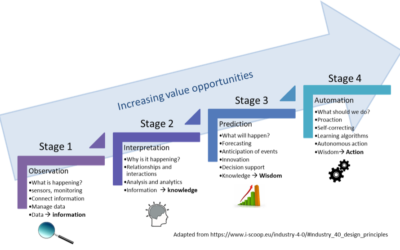
New opportunities for improved sugar factory performance through the Sugar Factory 4.0 project
Most people working in an industrial or technology field will have heard of the so-called 4th Industrial Revolution (4IR) and this is a hot topic in South Africa’s various government departments. It refers to the ready availability of massive computing power to...
First African mill to score Bonsucro certification
Mauritian company Omnicane Milling Operations Limited, owned by the Omnicane Group, has become the first African mill to achieve Bonsucro certification, resulting in the first Bonsucro-certified sugar coming on to the market from Africa. Omnicane’s CEO Jacques M....
Mbombela grower rolls up his sleeves for the industry
A belief in being part of the solution rather than sitting on the sidelines has placed Higgins Mdluli in numerous leadership positions over the years. Now, as a newly elected member of the SA Canegrowers board, he is gearing up to champion the cause of the country’s...

