

As the annual South African Technologists’ Association (SASTA) Congress gets underway our contributors have focused their attention on bringing together critical and informed comment on the importance of research and development in a time of crisis.
It is common knowledge that South Africa’s sugar industry is in a process of redefining its future. Diversification is a non-negotiable if the sector is to remain as a thriving and sustainable contributor to the country’s agriculture economy, and to tackle that effectively the role of sound research and development cannot be under estimated.
In our lead story, Dr Kathy Hurly who is the Corporate Executive at SA Canegrowers uses the opinions of both international and domestic experts to underline the importance of the role of research and development and how the SASTA and the International Society for Sugar Technologists’ Association conferences provide the ideal opportunities for the latest findings in science, engineering and technology research in the milling and growing sectors of the sugar industry.
Solutions-driven research is well underway and has been since 2015 at the University of KwaZulu-Natal into the viability of a range of by-products made from sugarcane. German-born and educated, Professor Annegret Stark talks to us about her research facility dream and how she believes it would impact on the country’s sugar producing sector.
UKZN graduate and Durban businessman, Warwick Thomson who presented a paper at the 2017 SASTA Congress on the manufacture of bio-plastics before spending time in Germany, reveals his plan to produce a range of products from sugarcane wax. The idea was born from a business he ran while still at school where he made surfboard wax from beeswax.
We sat down with the new Chairman of SA Canegrowers Rex Talmage to get an idea of his strategies in this uncertain world of sugarcane farming, while long serving member, Roy Sharma says despite having resigned from the board, he will continue to work in every way that he can to assist the industry to transform and re-align its focus in the forthcoming years.
In Mpumalanga, smallscale growers speak about their enterprises, their challenges and their triumphs and while the sugar industry continues to deliberate on its future, on-farm best practice must continue regardless. As such we have touched on the integrated management of eldana as a methodology to prevent infestations versus waiting for the pest to make an appearance in the field.
We wish the delegates at the 2019 SASTA Congress every success in their deliberations and look forward to seeing the implementation and commercialisation of research projects that offer innovative and disruptive solutions for a thriving sugar industry in the country well into the future.
– Gareth Wright, Shukela Editor
RELATED ARTICLES:

Negative Oil Prices, Behind the Headlines
Headlines last week highlighted an unprecedented fall in oil price prices to below zero. Before becoming overly alarmed or excited by this event, there are several nuances that are important to highlight. Oil prices are driven by three factors, namely supply, demand...
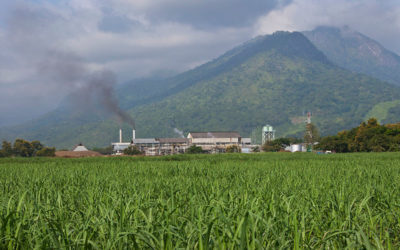
Tanzania sugar study highlights industry gender gap
While commercialised sugarcane production in the South African Development Community countries navigates a way through growing uncertainty and change brought about by both domestic and international pressures, the importance of gender relations in the production of...
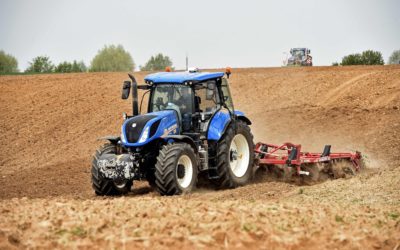
Harvest outlook impressive and raises hope for agriculture sector rebound
30 April 2020 – Agriculture received some positive news this week. Firstly, it was the further upward revision to the country’s crops estimates with the South Africa’s Crop Estimates Committee (CEC) pegging the 2019/20 crop 17.52 million tons of grain and oilseed...

