

As the annual South African Technologists’ Association (SASTA) Congress gets underway our contributors have focused their attention on bringing together critical and informed comment on the importance of research and development in a time of crisis.
It is common knowledge that South Africa’s sugar industry is in a process of redefining its future. Diversification is a non-negotiable if the sector is to remain as a thriving and sustainable contributor to the country’s agriculture economy, and to tackle that effectively the role of sound research and development cannot be under estimated.
In our lead story, Dr Kathy Hurly who is the Corporate Executive at SA Canegrowers uses the opinions of both international and domestic experts to underline the importance of the role of research and development and how the SASTA and the International Society for Sugar Technologists’ Association conferences provide the ideal opportunities for the latest findings in science, engineering and technology research in the milling and growing sectors of the sugar industry.
Solutions-driven research is well underway and has been since 2015 at the University of KwaZulu-Natal into the viability of a range of by-products made from sugarcane. German-born and educated, Professor Annegret Stark talks to us about her research facility dream and how she believes it would impact on the country’s sugar producing sector.
UKZN graduate and Durban businessman, Warwick Thomson who presented a paper at the 2017 SASTA Congress on the manufacture of bio-plastics before spending time in Germany, reveals his plan to produce a range of products from sugarcane wax. The idea was born from a business he ran while still at school where he made surfboard wax from beeswax.
We sat down with the new Chairman of SA Canegrowers Rex Talmage to get an idea of his strategies in this uncertain world of sugarcane farming, while long serving member, Roy Sharma says despite having resigned from the board, he will continue to work in every way that he can to assist the industry to transform and re-align its focus in the forthcoming years.
In Mpumalanga, smallscale growers speak about their enterprises, their challenges and their triumphs and while the sugar industry continues to deliberate on its future, on-farm best practice must continue regardless. As such we have touched on the integrated management of eldana as a methodology to prevent infestations versus waiting for the pest to make an appearance in the field.
We wish the delegates at the 2019 SASTA Congress every success in their deliberations and look forward to seeing the implementation and commercialisation of research projects that offer innovative and disruptive solutions for a thriving sugar industry in the country well into the future.
– Gareth Wright, Shukela Editor
RELATED ARTICLES:

WHAT WILL THE CANNABIS ECONOMY MEAN FOR AFRICA?
A growing number of countries in Africa are looking to cannabis as the ticket out of poverty, and foreign investment for this sector has flooded in. Activists who pushed for legal commercial cultivation now face the challenge of crafting a cannabis economy that...
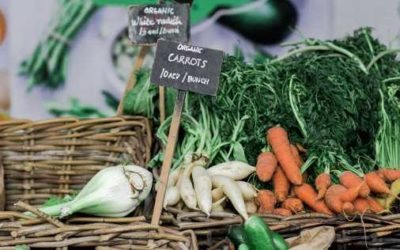
How long can the status quo in the global food system hold?
As countries continue to implement “risk-adjusted” responses to COVID-19, global leaders and analysts alike continue to assess the evolving implications of the pandemic on global markets. What makes COVID-19 unique is that it is a health shock that has fundamentally...
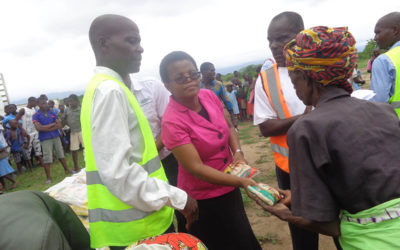
Malawi cane farmers rebuild after Cyclone Idai
‘As farmers, our only source of income is sugar. If that’s affected, our lives are affected.’ Aubrey Chilenje, Malawian sugarcane farmer and member of the Fairtrade-certified Kasinthula cooperative, responding to the devastation caused by Cyclone Idai. While rural...

